
Cart
0
Eltraderm Skinsights
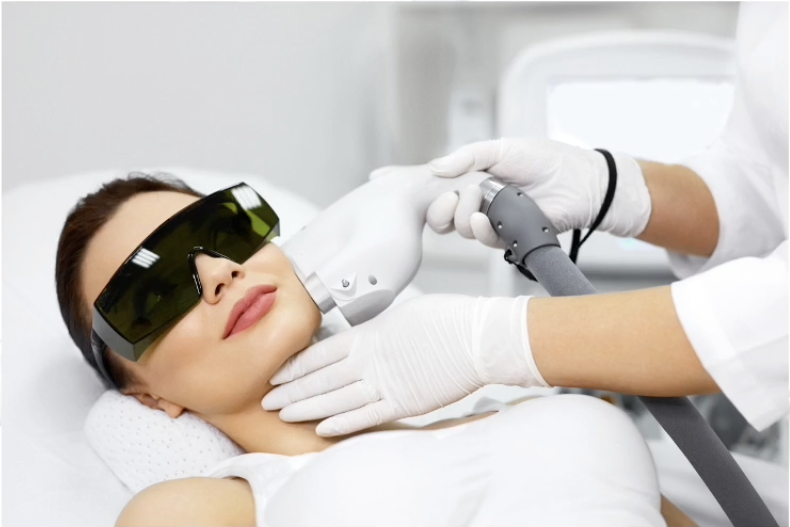
High-Intensity Focused Ultrasound (HIFU) has become one of the most requested non-invasive skin lifting treatments available. It works deep, it requires no downtime in the traditional sense, and the results can be significant. But the "no downtime" label leads a lot of people to skip the aftercare entirely.
That is a mistake. What you apply to your skin in the days before and after a HIFU session directly affects how well your skin responds to the treatment, and how long those results last.
This guide covers the full protocol: preparation, immediate aftercare, and the extended recovery window where most of the visible results actually develop.
How HIFU Works and Why the Skincare Window Matters
HIFU devices use focused ultrasound energy to deliver precise heat to targeted depths below the skin's surface, typically the superficial muscular aponeurotic system (SMAS) layer, which sits beneath the dermis. This is deeper than radiofrequency devices typically reach, and it is what makes HIFU effective for lifting rather than just tightening.
The heat creates controlled injury points at those depths. The body responds by triggering a wound-healing cascade: inflammation, followed by fibroblast activation, followed by new collagen and elastin production. That process unfolds over three to six months. You may see some initial lifting in the days after treatment as tissue responds to the thermal stimulus, but the substantive results come later.
Skincare that supports the skin's surface during this process does not interfere with what is happening underneath. It gives the barrier the conditions it needs to stay intact while the deeper work continues.
Before Your HIFU Treatment
Two weeks before:
Discontinue active exfoliants: retinoids, AHAs, BHAs, and enzyme-based exfoliants. These thin the surface layers and increase sensitivity, which you do not want going into an energy-based treatment.
Avoid laser, chemical peels, microneedling, or any other procedure that disrupts the skin barrier in the two weeks prior to your appointment.
Begin building up hydration. A peptide serum layered under a marine collagen hydrating gel in the two weeks before your appointment reinforces surface resilience and helps ensure your skin is in the best possible condition for the treatment.
Day of treatment:
Arrive with completely clean skin: no makeup, no sunscreen, no moisturizer. Your provider will apply a conduction gel before the device is used. Any product residue on the skin can interfere with ultrasound transmission and affect treatment consistency.
Avoid caffeine and alcohol the day before and the day of your appointment. Both contribute to dehydration, and well-hydrated tissue responds more consistently to energy-based treatments.
After Your HIFU Treatment: What to Expect
HIFU aftercare is often described as minimal because there is no open wound and typically no visible peeling or crusting. What you may experience:
- Mild to moderate redness for a few hours post-treatment
- Tenderness or a slightly "bruised" feeling in the treated areas, which can persist for several days
- Occasional mild swelling, particularly around the jawline or under the eyes
- Temporary numbness or tingling in treated areas, this is normal and resolves on its own
What you will not see: immediate dramatic lifting. HIFU results develop slowly. Most clients see the most significant changes at the three-month mark.
The Post-HIFU Skincare Protocol
First 24 to 48 hours:
Keep the routine minimal. A fragrance-free gentle cleanser, a hydrating collagen or peptide serum, and a barrier-supportive moisturizer. Nothing else.
No active ingredients of any kind: no retinoids, no vitamin C, no exfoliating acids, no high-concentration niacinamide. No physical exfoliants. No face masks.
Avoid heat: hot showers, steam rooms, saunas, and strenuous exercise that significantly raises your core temperature. The treated tissue is already managing elevated thermal load.
Apply SPF 30 or higher before any sun exposure, even brief. Treated skin is more photosensitive in the days following HIFU, and UV exposure counteracts the collagen-building response the treatment has initiated.
Days 3 through 14:
This is the window where your skincare routine makes a genuine contribution to outcomes.
Marine collagen hydrating gel or serum. Hydrolyzed marine collagen applied topically provides amino acid building blocks and supports barrier function as surface recovery continues. The smaller molecular weight of hydrolyzed marine collagen means better skin compatibility and a lighter feel compared to intact collagen proteins, important when skin may still be mildly sensitive.
Peptide serum. Signal peptides and carrier peptides support fibroblast activity, the cells responsible for producing new collagen and elastin. In the weeks following HIFU, when fibroblast activity is already elevated, a targeted peptide serum provides a useful complement to the treatment's effects. Apply morning and evening, layered under your moisturizer.
Hyaluronic acid. Sustained hydration is critical during this window. Look for a formula with multiple molecular weights, larger molecules support surface hydration while smaller fragments interact with deeper epidermal layers.
SPF. Non-negotiable throughout the recovery period and beyond. Daily broad-spectrum protection is the single most important thing you can do to protect the results you have invested in.
Weeks two through twelve:
The collagen remodeling initiated by HIFU continues for months. The skincare habits you establish in this window compound with that process.
Continue your peptide serum and marine collagen hydrating gel daily. Consistency over this period matters far more than occasional use of a more expensive or more complex product.
Retinoids can typically be reintroduced around weeks two to three, depending on how your skin responded. Check with your provider before resuming.
What to Avoid Post-HIFU
- Fragrance in any form during the first week
- Alcohol-based toners or astringents
- Physical exfoliants: scrubs, cleansing brushes, or textured cloths
- Anything that causes noticeable stinging or tingling on application
- Direct sun exposure without SPF
- Heat exposure (saunas, steam, hot yoga) for the first 48 to 72 hours
- Makeup for the first 24 hours; mineral-based formulas only for the first few days if coverage is needed
A Note for Practitioners
HIFU produces its results over a long window: three to six months of ongoing collagen activity. That is your opportunity to extend what happens in your treatment room through a well-structured home care protocol.
Clients who consistently use a peptide serum and marine collagen hydrating gel or serum throughout their recovery period tend to see better sustained results than those who return to a generic routine immediately after treatment. A simple, targeted recommendation at checkout makes a meaningful difference to their outcomes.
Eltraderm's procedure-care range is formulated for exactly this clinical context. For professional pricing and product information, visit eltraderm.com.
The Takeaway
HIFU works at a depth that most skincare ingredients cannot reach. But the surface still matters. A skin barrier that is well-supported, well-hydrated, and protected from UV and environmental stress gives the deeper repair process the conditions it needs to complete fully.
Prepare with intention. Recover with consistency. The results follow.


