

Cart
0
Eltraderm Skinsights
Microneedling is one of the most effective treatments available for improving skin texture, reducing the appearance of scarring, and stimulating collagen production. It is also one of the treatments most commonly followed by the wrong aftercare, which is unfortunate, because what you apply to your skin in the seven days after a session directly determines how well your skin responds and how long the results last.
This is a day-by-day guide to microneedling aftercare. What to expect, what to use, and what to keep away from your skin entirely until it has had time to recover properly.
What Microneedling Does to Your Skin
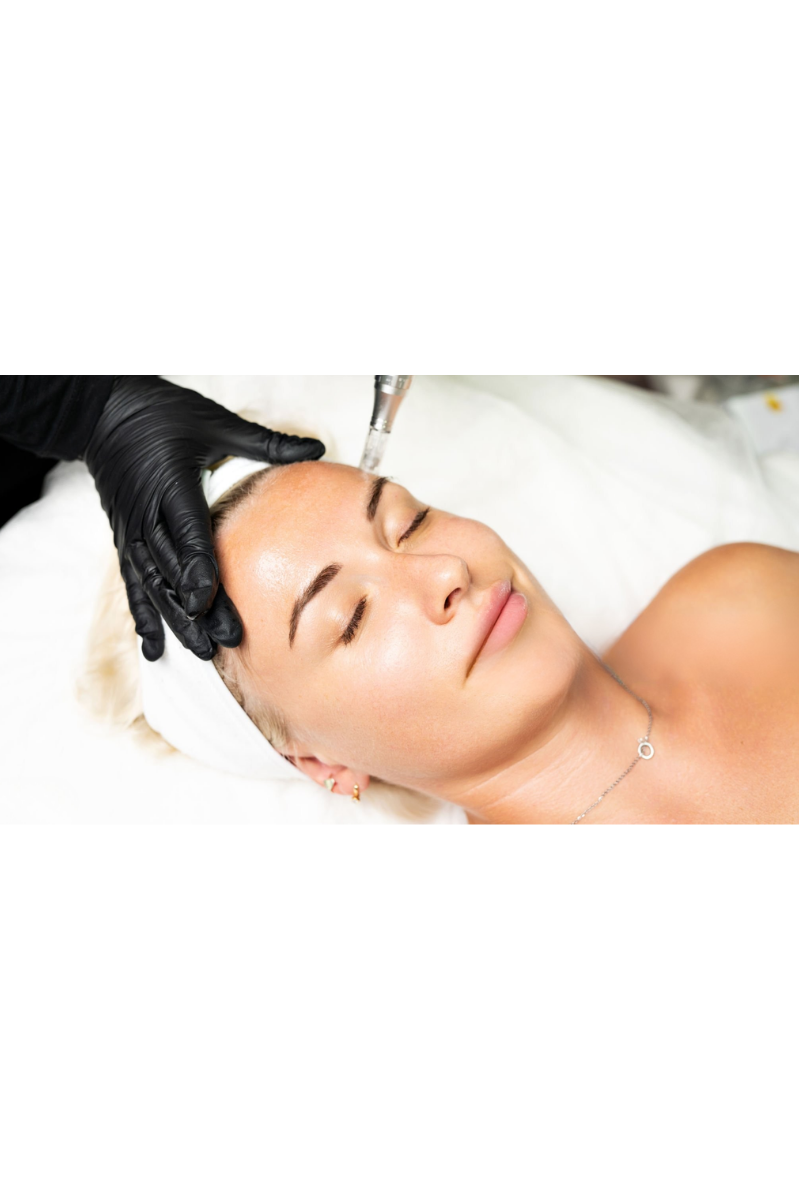
Microneedling devices, whether standard, radiofrequency, or PRP microneedling, create thousands of controlled micro-channels in the skin. These micro-injuries trigger the skin's wound-healing response: inflammation, followed by proliferation of new cells and collagen, followed by remodeling of the tissue over weeks and months.
The micro-channels also temporarily increase the skin's permeability. For a window of several hours post-treatment, the skin absorbs topical ingredients more readily than it normally would. This is both an opportunity and a risk: the right ingredients applied in this window can meaningfully support recovery, while the wrong ones can penetrate more deeply than intended and cause sensitization or irritation.
This is why microneedling aftercare is not the same as your regular skincare routine with a few steps removed. It is a different protocol for a different skin state.
Day 1: Immediately After Treatment
Your skin will look red, anywhere from a mild flush to something resembling a moderate sunburn, depending on needle depth and your skin's sensitivity. Some pinpoint bleeding is normal at clinical needle depths. Swelling, particularly around the eyes and cheeks, is common and typically peaks within the first few hours.
What to apply: Your provider will typically apply a calming serum or mask immediately post-treatment. At home for the rest of the day, use only what your provider has cleared, usually a fragrance-free, alcohol-free hydrating serum and a gentle barrier moisturizer.
What to avoid: Everything else. No makeup. No active ingredients of any kind. No concentrated vitamin C, no retinoids, no exfoliating acids, no niacinamide. No physical pressure on the skin, do not rub or massage the treated area.
Avoid heat: no hot showers, no saunas, no steam, no strenuous exercise that raises your core temperature significantly. Excess heat on already-inflamed skin prolongs redness and can increase the risk of post-inflammatory pigmentation.
Sleep on a clean pillowcase. Ideally, sleep on your back to minimize pressure on treated areas.
Day 2: The Morning After
Redness will have reduced for most people, though some warmth and tightness is normal. The skin may feel slightly rough or dry, this is the beginning of the surface repair process.
Morning routine: Gentle fragrance-free cleanser, lukewarm water only. Pat dry, do not rub. Apply a hydrating serum or a collagen hydrator. Apply broad-spectrum SPF 30 or higher before any sun exposure, even brief.
Evening routine: Same cleanser. Collagen hydrator. No SPF needed at night, but no actives either.
Confirm with your provider about introducing makeup on day two if needed, and method of application.
Day 3: Surface Changes Begin
By day three, some clients notice mild flaking or peeling as the outermost layers of skin begin to shed. This is normal and is part of the cell turnover process the treatment initiated. Do not pick, peel, or exfoliate. Let it happen on its own timeline.
Routine: Continue with a gentle cleanser, collagen hydrator. Add a peptide serum to support surface change, then SPF in the morning. The temptation to add something (a brightening serum, an extra mask, a retinol) is common at this point. Resist it. The skin is not ready.
Hydration is the priority. If the skin feels particularly tight or dry, apply an extra layer of your collagen hydrator.
Day 4: Itch and Tightness Are Normal
Some clients experience itching around day three to four. This is a normal part of the healing process, new collagen formation and cell proliferation can produce a mild itching sensation as tissue activity increases. Do not scratch.
If itching is significant, a cold clean cloth held gently against the skin can provide relief. Do not use antihistamine creams or hydrocortisone without checking with your provider first, some of these can interfere with the inflammatory process that is driving your results.
Routine: Same as day three. Consistency is more important than variety at this stage.
Day 5: Skin Begins to Normalize
For most clients, day five marks the point where redness has largely resolved and the skin begins to look closer to normal, if not better than normal. Some clients notice an early glow or improvement in texture as new cell turnover comes through.
This is not the end of the recovery period. It is the beginning of the results period, which continues for weeks.
Routine: Continue peptide serum and marine collagen hydrator. SPF daily. If your provider has cleared it, a gentle hyaluronic acid serum or moisturizer can be added at this point for additional hydration support.
Day 6 and 7: Consolidation
By the end of the first week, most visible signs of the treatment have resolved. The skin should feel smoother and more hydrated than pre-treatment. Underlying texture improvements will continue to develop over the following weeks as collagen production increases.
Routine: Peptide serum, collagen hydrator, moisturizer, SPF. You are now moving into the extended recovery window, weeks two through twelve, where consistent daily use of these ingredients compounds with the collagen-building process the treatment has set in motion.
Do not reintroduce retinoids, exfoliating acids, or other active ingredients until at least day seven, and ideally not until day ten to fourteen. Check with your provider based on the depth and type of microneedling you received.
The Ingredients That Belong in Your Microneedling Aftercare Kit
Fragrance-free gentle cleanser. Non-negotiable for the first week. Fragrance is one of the most common sensitizers, and microneedled skin is significantly more permeable than intact skin.
Hydrating peptide serum. Signal and carrier peptides support fibroblast activity, the cells producing the new collagen your treatment has activated. Applied twice daily from day two onward, a peptide serum provides a meaningful complement to the treatment's effects.
Soluble marine collagen. Supports barrier function, contributes amino acid building blocks during the active repair phase, and maintains the surface comfort your skin needs while deeper repair continues.
Broad-spectrum SPF 30 or higher. Microneedled skin is significantly more photosensitive than normal. UV exposure in the recovery window is one of the fastest ways to undermine your results and increase pigmentation risk.
Multi-weight hyaluronic acid. Added from day five onward for comprehensive hydration support at multiple skin depths.
What to Keep Away From Microneedled Skin
For the first seven days minimum:
- Retinoids of any kind
- Vitamin C (ascorbic acid)
- AHAs and BHAs (glycolic, lactic, salicylic acid)
- High-concentration niacinamide
- Fragranced products
- Alcohol-based toners or astringents
- Physical exfoliants
- Makeup other than mineral-based formulas
- Swimming pools and open water (infection risk)
- Saunas, steam rooms, and hot yoga
A Note for Practitioners
The micro-channel window immediately post-microneedling is both the highest-risk and highest-opportunity moment in the treatment. What you apply in the clinic immediately after needling, and what you recommend for home care directly affects outcomes.
A structured seven-day home care kit built around a peptide serum and soluble marine collagen hydrator gives your clients the tools to support their results consistently through the full recovery window. It also gives you a natural retail conversation at every microneedling appointment.
Eltraderm's procedure-care range is formulated for this clinical context. For professional pricing and product information, visit eltraderm.com.
The Takeaway
Microneedling works by triggering the skin's own repair mechanisms. The seven days that follow are when those mechanisms are most active, and most vulnerable to disruption. A clean, targeted aftercare protocol during this window is not optional maintenance. It is the second half of the treatment.
Simple routine. Consistent application. No shortcuts before day seven.


